Two-Minute Habit Loops That Rewire Your Day

Today we dive into Two-Minute Habit Loops: Designing Tiny Actions That Stick, exploring how microscopic beginnings create unstoppable momentum. In just a couple of minutes, you can anchor a reliable cue, perform a frictionless action, and celebrate a satisfying reward that gently trains your brain to return. Expect practical scripts, real stories, gentle psychology, and an invitation to share your own micro-routines so our community can learn, adapt, and grow together, one easy, repeatable step at a time.

Start With a Spark: Why Two Minutes Change Everything

Two minutes sound trivial, yet they bypass perfectionism, reduce decision fatigue, and reliably create repeatable wins. By lowering the bar to almost effortless, you sidestep resistance, invite consistency, and unlock compounding benefits. Each brief action reinforces confidence, delivers a tiny dopamine lift, and forms a loop your brain learns to crave. Over weeks, these small victories quietly reshape identity and routines, proving that consistency beats intensity when designing actions that actually endure.

Anchor and Stack for Automatic Momentum

Habit stacking attaches a new two-minute action to a reliable anchor, creating a chain that runs without extra decisions. By designing a clear sequence—“After X, I do Y”—you remove ambiguity and rehearse predictability. Anchors work best when they’re stable, specific, and truly recurring every day. Stack only one tiny behavior at first, then optionally expand after consistency is established. This sequencing framework serves as a mental conveyor belt, moving you from intention to action with less friction and greater confidence.

Shape the Environment, Reduce Friction

Place Tools in the Flow

Set your world to autopilot. Keep the yoga mat near the kettle, notebook open on your desk, floss on the countertop, and language app on your phone’s home screen. Make the desired action the default pathway your eyes and hands encounter. Pre-position essentials the night before so morning friction vanishes. When the tool is exactly where the cue fires, movement happens naturally. Consistent placement converts space into instruction, gently guiding you toward the two-minute action without negotiations, excuses, or delays.

Shrink or Remove Micro-Barriers

Set your world to autopilot. Keep the yoga mat near the kettle, notebook open on your desk, floss on the countertop, and language app on your phone’s home screen. Make the desired action the default pathway your eyes and hands encounter. Pre-position essentials the night before so morning friction vanishes. When the tool is exactly where the cue fires, movement happens naturally. Consistent placement converts space into instruction, gently guiding you toward the two-minute action without negotiations, excuses, or delays.

Create Obvious Invitations

Set your world to autopilot. Keep the yoga mat near the kettle, notebook open on your desk, floss on the countertop, and language app on your phone’s home screen. Make the desired action the default pathway your eyes and hands encounter. Pre-position essentials the night before so morning friction vanishes. When the tool is exactly where the cue fires, movement happens naturally. Consistent placement converts space into instruction, gently guiding you toward the two-minute action without negotiations, excuses, or delays.

Identity, Confidence, and the First Two Minutes

Tiny consistent actions change how you see yourself. Each completed loop is a vote for a new identity—reader, runner, writer, learner. Two-minute initiations are proof you can trust yourself to begin. This trust fuels bigger commitments later, but it must be earned in small, repeatable ways. Design the opening move as an identity rehearsal. Keep outcomes humble and controllable so your self-story doesn’t depend on mood or perfect circumstances. Confidence becomes a byproduct of numerous, gentle, undeniable demonstrations of reliability.

Act Like the Person You’re Becoming

Ask, “What would a runner do for two minutes?” or “How does a writer begin?” Then do just that. Embody the identity immediately, without grand plans. Identities stick when aligned with actions, not intentions. Two-minute behaviors are believable on hard days, letting you remain that kind of person regardless of output. Over time, identity becomes the anchor that steadies motivation. You no longer chase willpower; you confirm who you are, one brief, faithful action at a time.

Script Only the Opening Move

Write a tiny, concrete script: “After I set my mug down, I open the document and type the date.” Precision dissolves hesitation. By scripting only the start, you preserve optionality while guaranteeing forward motion. Some days you’ll continue; other days, you’ll stop—either way, you win by beginning. Keep scripts revision-friendly as you learn what sticks. The perfect script is memorable, observable, and immune to mood swings. When the script fires reliably, identity strengthens and larger efforts become much easier.

Stories From Real Routines

Tiny actions create outsized change when they happen daily. A new parent read one page during naptime and finished twelve books in a year. A reluctant runner tied shoes for two minutes and gradually reclaimed energy. A designer sketched one box per morning and rediscovered play. These stories remind us that beginnings matter most. Share yours in the comments, borrow another reader’s script, and iterate publicly. Community experimentation accelerates learning, revealing creative loops none of us would invent alone.

Fitness in Two-Minute Bites

One reader started with two minutes of mobility while the kettle heated, then added a single push-up every week. Another walked to the mailbox after lunch, eventually extending the route into a refreshing loop around the block. The point wasn’t intensity; it was reliability. By making movement almost impossible to skip, fitness became a normal part of the day rather than a special event. Share your micro-routine and tag a friend to try it with you tomorrow.

Writing and Creative Sparks

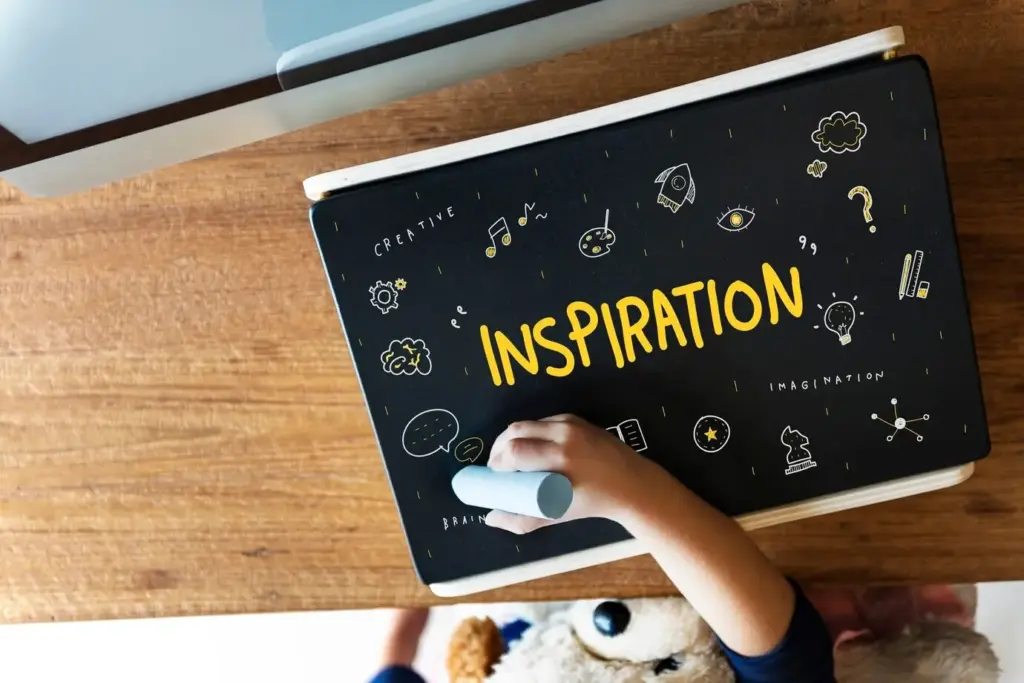
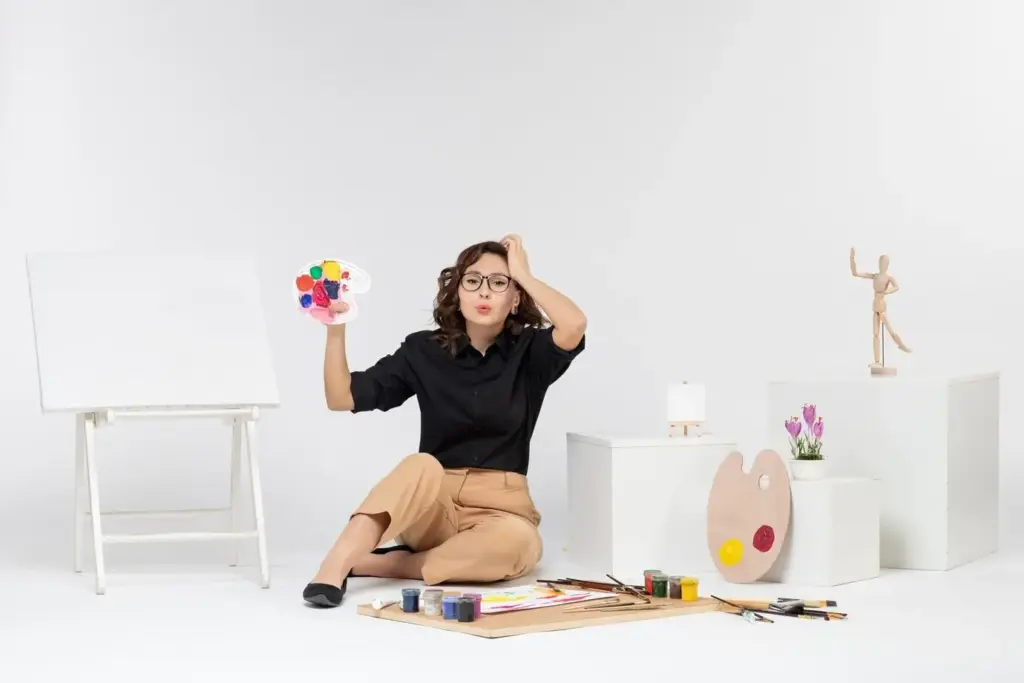
A songwriter opened a voice memo and hummed for two minutes after dinner, capturing ideas before they vanished. A novelist typed dates and one sentence, often staying longer but never requiring it. A designer traced a simple shape daily to loosen the hand. These rituals reduced fear and invited play. Post your two-minute creative script, and link a tiny sample. The collective gallery will inspire others to begin, proving that tiny sparks often ignite surprisingly luminous work.

Resets, Safeguards, and Staying Kind to Yourself

Consistency is not perfection; it’s recovery speed. Miss a day? Restart with the next cue, no guilt attached. Design backups for travel, late nights, and unpredictable schedules. Identify the minimum viable action that counts as success and keep it sacred. Protect momentum by writing an if–then plan and practicing it when calm. Remember that kindness sustains adherence better than shame. Two-minute loops thrive when treated as gentle companions, ready to resume whenever life briefly pulls you off course.

If–Then Plans That Catch Slips

Plan precise contingencies: “If I miss my morning stack, then I will run the two-minute version after lunch.” Write versions for weekends, trips, and sick days. Keep the backup so easy it’s unskippable. Rehearse mentally so execution feels familiar. These small safety nets turn potential derailments into manageable detours. Share your favorite fallback in the comments, and borrow someone else’s. Collective planning multiplies resilience, ensuring your practice isn’t fragile and your identity remains intact through everyday turbulence.

The Reset Ritual That Takes Seconds

Create a fast reset you can perform anywhere: take one deep breath, say “start small,” set a two-minute timer, and begin. This ritual interrupts rumination and returns attention to the next step. Make it consistent enough to become comforting. Consider a physical gesture—touch the notebook, tie the laces, open the app—to anchor state change. Invite others to adopt your ritual and personalize it. The more beautifully simple it feels, the more often you will use it when needed most.

Rapururavumunifizu
Privacy Overview

This website uses cookies so that we can provide you with the best user experience possible. Cookie information is stored in your browser and performs functions such as recognising you when you return to our website and helping our team to understand which sections of the website you find most interesting and useful.